

 feedom@haomei-machinery.com
36m Concrete Pump For Sale
Posted On: 17/03/2026 | Posted by: Haomei Concrete Pumps
A 36 m class truck mounted concrete boom pump is often selected for mid to high rise pours, foundations, and commercial slabs because it balances reach, mobility, and output. For contractors comparing options, the real value is not only in maximum vertical reach, but also in how the boom sections are built, which wear parts are chosen, and how quickly the system can be serviced when a jobsite issue occurs.
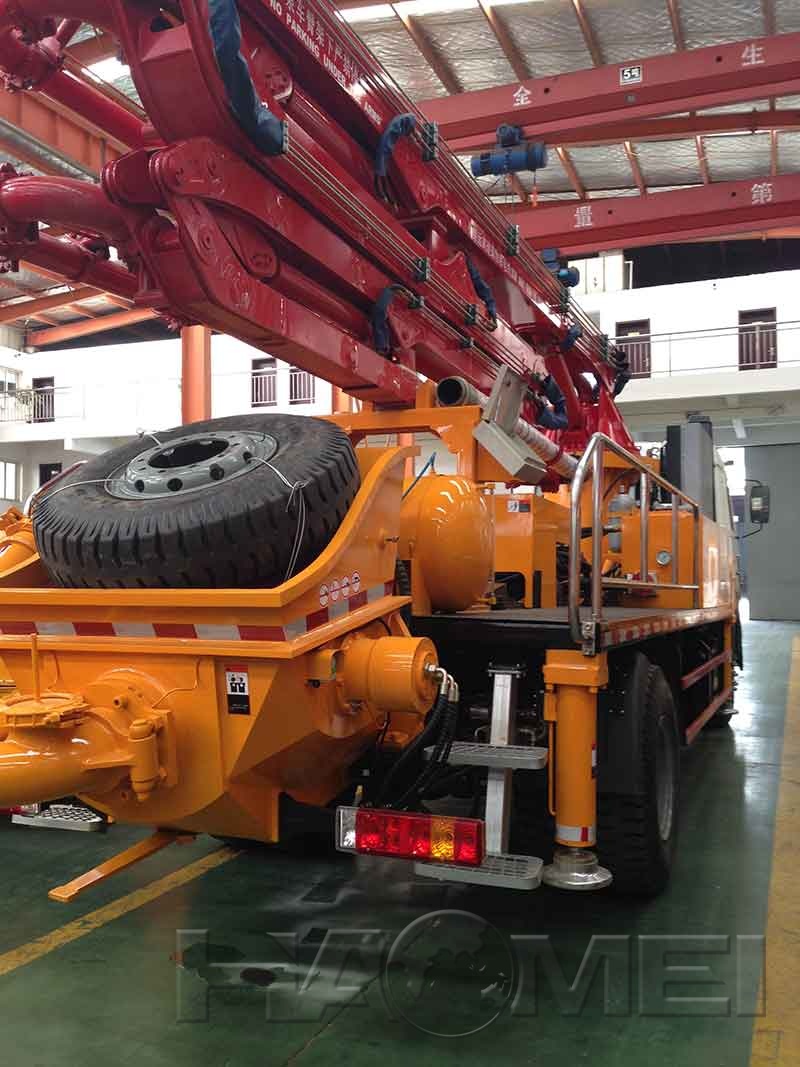
Cutting edge design details that improve control and productivity
Modern 36 m units typically use a multi section boom with optimized geometry to reduce dead zones and keep the end hose stable. A well designed boom focuses on three practical outcomes: smooth articulation, minimal vibration at full reach, and predictable placement when operators make fine adjustments.
Boom structure and stability. Look for a box type boom section design with reinforced weld zones and stress optimized plates. This structure helps distribute loads during slewing and when the hose is extended over rebar cages. Stable boom behavior also depends on the outrigger layout. Wide spread outriggers with clear load charts help the operator set up safely on constrained urban sites.
Hydraulic and pumping system integration. Efficient pumping depends on how the main pump circuit, boom hydraulics, and control logic work together. Key design choices include a properly sized main hydraulic pump, clean routing of hydraulic lines to reduce heat, and proportional control valves that allow smooth boom speed changes. An easy access valve block and centralized lubrication points reduce daily maintenance time.
Operator interface and diagnostics. Many machines provide a display that shows pumping pressure, oil temperature, engine load, and alarm codes. This matters because it shortens fault finding time. When evaluating configurations, compare how the system presents fault codes and whether the machine supports manual override functions for safe recovery during sensor failures.
If you are comparing boom types and configurations, the product category page for Boom Pump can help align reach requirements with typical site constraints.
Materials selection: why wear parts and steel grade matter
Concrete pumping is a wear intensive process. Material choices in the boom, pipeline, and pump group directly influence uptime and operating cost.
Boom steel and fatigue resistance. Boom sections made from high strength structural steel can reduce weight while maintaining stiffness, which improves fuel efficiency and handling. More important than the label is the execution: quality welding procedure control, consistent plate thickness, and proper heat treatment practices reduce fatigue cracking risk at high stress joints.
Pipelines and elbows. The delivery line, bends, and reducers should use wear resistant materials suitable for abrasive mixes. Hardened elbows and thick wall pipes last longer when pumping high slump or harsh aggregate. Flange alignment and clamp quality also matter because small misalignments cause leakage and accelerate gasket wear.
S valve, cutting ring, and wear plate. In rock valve systems, these components take direct abrasion and impact. Using proven wear alloys and maintaining correct sealing pressure are essential to keep output stable and prevent blow by. Ask which wear part standards are used and whether parts are readily available in your region.
Hopper and agitator. A properly lined hopper, robust agitator blades, and protected shaft seals reduce the chance of paste leakage into bearings. This is a common root cause of premature failures on poorly protected assemblies.
Wear focus comparison table
| Component area | What to check on a 36 m class unit | Practical benefit on site |
|---|---|---|
| Boom sections | Reinforced hinge zones, quality welds, corrosion protection | Less vibration, longer structural life |
| Delivery pipeline | Thick wall pipes, hardened bends, reliable clamps | Lower leak risk, longer change intervals |
| Valve group | Wear alloy plate and ring, proper adjustment method | Stable pressure, fewer blockages |
| Hopper and agitator | Liner quality, seal protection, easy cleaning access | Reduced downtime between pours |
| Lubrication | Centralized greasing, auto lube options | Consistent component life |
Jobsite advantages and practical troubleshooting for common issues
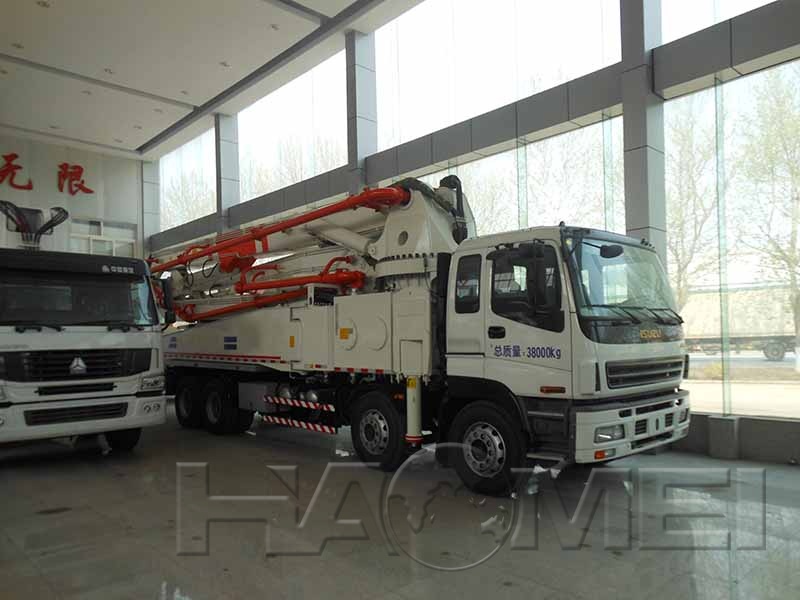
A 36 m pump truck is valued because it can handle a wide range of pours without requiring excessive repositioning. That translates to measurable advantages: shorter setup time, fewer pipeline changes, and better safety when the boom can reach inside forms without workers carrying hoses across rebar.
Advantages during daily work
Faster placement with fewer relocations. Reach and articulation let you cover large slabs or multiple columns from one setup, improving pour continuity.
Cleaner site logistics. A truck mounted boom reduces temporary pipeline clutter, lowering trip hazards.
Better quality control. Steady flow and controlled boom motion help reduce segregation and minimize rework around cold joints.
Troubleshooting table: symptoms, likely causes, and safe first actions
| Symptom | Likely cause | Safe first actions |
|---|---|---|
| Pump pressure rises quickly, output drops | Blockage in line, harsh mix, kinked hose | Stop pumping, relieve pressure per manual, inspect hose and nearest elbows, flush if permitted |
| Boom moves slowly or feels jerky | Low hydraulic oil, clogged filter, air in system, overheating | Check oil level and temperature, inspect filters, confirm cooling fan operation, avoid extended high RPM idling |
| Concrete leakage at clamps | Worn gasket, misaligned pipe ends, loose clamp | Depressurize, re seat pipe, replace gasket, check clamp condition |
| S valve area noise or unstable pumping | Worn wear plate or cutting ring, incorrect adjustment, contaminated grease | Inspect wear parts, confirm adjustment procedure, use specified lubrication, clean hopper area |
| Remote control lag or intermittent response | Low remote battery, signal interference, damaged antenna | Replace battery, check antenna and connectors, test near machine with clear line of sight |
Practical tips that prevent most stoppages
Match the mix to pumping distance and line size. Excessive aggregate size, low mortar content, or inconsistent slump increases risk of blockage. If the supplier changes mix design, re confirm pumpability.
Prime correctly and consistently. Use an approved priming method for your region and project specifications. Under priming is a common reason for early line plugs.
Control heat. High hydraulic temperature reduces efficiency and can trigger protection alarms. Keep radiators clean and verify fan function, especially in hot weather or dusty sites.
Inspect wear parts by schedule, not by failure. Wear plates, rings, and elbows should be measured and replaced before they cross safe limits.
When you are planning maintenance logistics, having access to Concrete Pum Truck Parts in Stock supports faster turnaround for elbows, wear rings, filters, and sealing kits, which is critical during peak pour season.
For purchasing evaluation, request the machine load chart, maximum theoretical output, recommended pipeline diameter, and typical wear part list. These documents, together with a clear service plan, provide a more reliable basis for comparing a 36 m class boom pump than reach alone.
Original source: https://www.concrete-pump-cn.com/a/36m-concrete-pump-for-sale.html
Tags: 36m concrete boom pump, 36 meter pump truck,
Previous: Small Concrete Pump Truck
Next: Which Is More Popular in Rental Market: Concrete Pump Trailer or Concrete Pump Truck