

 feedom@haomei-machinery.com
Concrete Mixer Machine With Pump
Posted On: 27/02/2026 | Posted by: Haomei Concrete Pumps
Modern job sites need concrete placed faster, with fewer handling steps, and with more consistent quality. A concrete mixer machine with pump combines two core functions in one unit: it mixes fresh concrete on site and then pumps it directly to the pour area through a pipeline. This integrated approach reduces rehandling, lowers the risk of segregation during transfers, and helps crews keep a steady placing rhythm, especially where wheelbarrows or cranes slow the workflow.
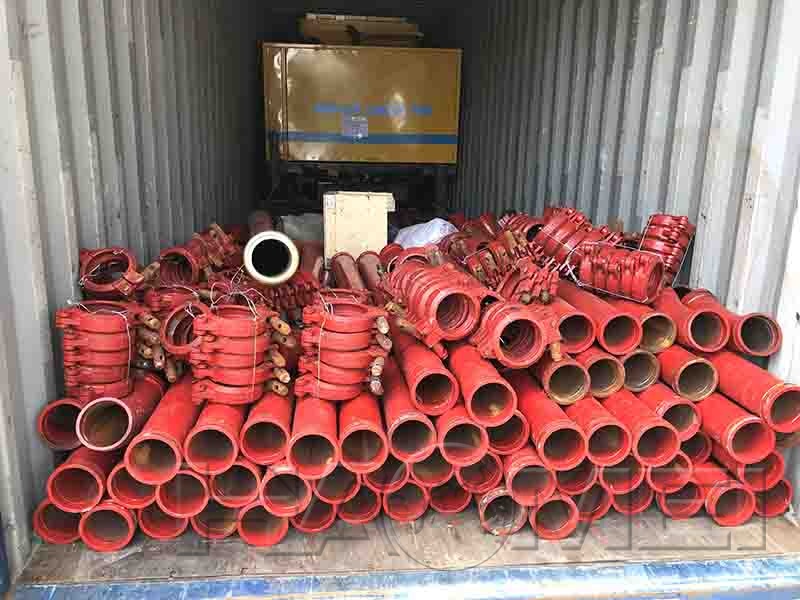
How the mixer plus pump system works on site
A combined mixing and pumping unit typically includes a loading hopper, a mixing drum or twin-shaft style mixer, a pumping system (often piston type), a distribution valve, and a pipeline connection. Materials are loaded into the hopper, mixed to the required consistency, then transferred into the pumping chamber. The pump pushes the concrete through steel pipes or rubber hoses to the target location.
For most applications, the key performance factors are output and pumpability. Output is influenced by mixing efficiency and pump displacement, while pumpability depends on the mix design, aggregate grading, and the pressure and friction losses in the line. When matching a unit to a project, check the maximum horizontal and vertical pumping distance, rated output in cubic meters per hour, and recommended aggregate size. In practice, stable pumping is achieved when the mix has enough mortar content to lubricate the line while maintaining the specified strength.
If your projects frequently require pumping from one compact footprint, a dedicated Concrete Mixing Pump configuration can be a practical way to streamline both material handling and placement.
Where it fits best: applications and productivity advantages
This equipment is widely used for residential construction, small to mid sized commercial jobs, rural infrastructure, foundations, slabs, and repair works where ready mix logistics are difficult or where placing conditions are tight. It is also valuable on sites with limited crane access or where labor availability is constrained.
Practical advantages that matter to construction equipment purchasers include:
Faster cycle time: mixing and pumping are coordinated, reducing idle time between batches.
Lower labor intensity: less manual transport and fewer transfer points.
Better placement control: steady flow supports more uniform consolidation and finishing.
Flexible access: pipelines can route around obstacles and deliver to elevated or enclosed areas.
Market demand has been moving toward compact, trailer mounted, and easy transport models, with greater attention on fuel efficiency, wear parts life, and simplified maintenance access. Many contractors also prefer machines that can handle a wider range of mixes, from standard C20 to higher grades, as long as aggregate size and slump remain within the pumpable range.
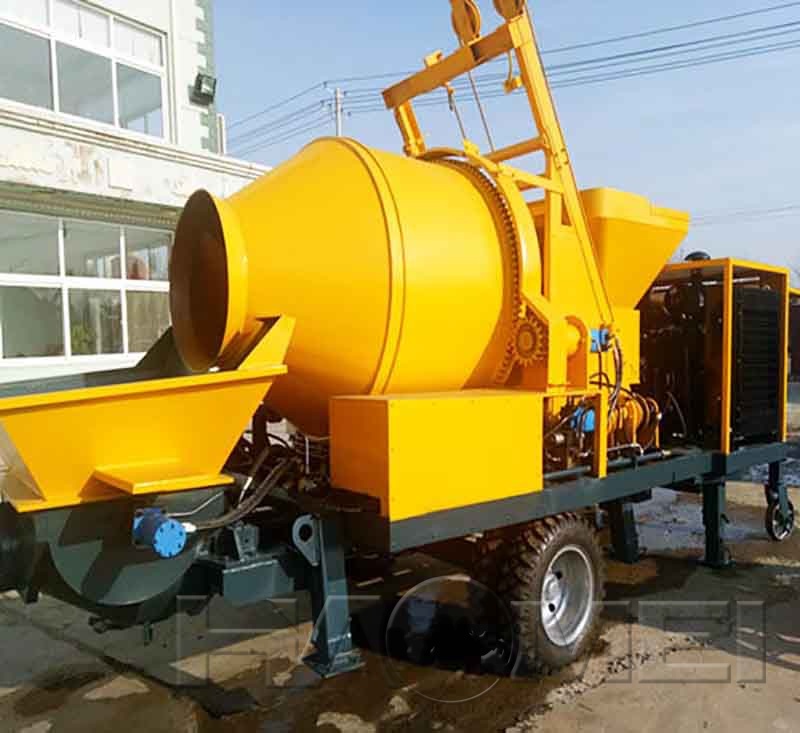
Selection checklist: key specifications, options, and running costs
Choosing the right unit is less about the highest rated output and more about matching the full system to your daily placing needs. Consider the job mix, line length, crew size, and available power source.
| Selection Factor | What to Verify | Why It Matters on Site |
|---|---|---|
| Rated output and efficiency | m3/h rating, real world output at your mix | Prevents under capacity that causes pour delays |
| Pump pressure and delivery distance | Max pressure, horizontal and vertical reach | Determines whether long lines or multi story delivery is feasible |
| Aggregate size compatibility | Recommended max aggregate diameter | Oversize stone increases blockage risk |
| Mixer type and mixing quality | Drum vs. forced mixing, mixing time | Impacts uniformity and pumpability |
| Power option | Diesel, electric, hybrid availability | Aligns with site power, noise, and emissions constraints |
| Wear parts and service access | S valve, piston, wear plate, cutting ring | Main drivers of maintenance time and operating cost |
| Controls and safety | Emergency stop, remote control options, guarding | Improves operational stability and reduces risk |
| Mobility and setup | Trailer, skid, or truck mounted, stabilizers | Faster relocation between pours |
For contractors working in urban areas or inside structures, pipeline layout and cleaning time become major productivity factors. Look for features such as a well designed hopper grid, easy access to the valve assembly, and a cleaning system compatible with your site practices. Wear parts quality is also critical: the distribution valve, wear plate, and cutting ring directly affect sealing and pumping efficiency.
If space is limited and you need a compact configuration, a Small Concrete Mixer and Pump setup can help reduce the footprint while still delivering practical reach through a pipeline.
Operational notes that protect uptime:
Keep slump within the pumpable range recommended by the manufacturer, and avoid harsh, gap graded aggregates.
Use proper line priming before pumping to reduce friction and prevent early blockage.
Monitor hydraulic oil condition and temperature, as hydraulic stability directly affects pumping consistency.
Plan wear parts inspection intervals based on pumped volume, not only calendar time.
From a purchasing standpoint, the best value comes from a balanced package: reliable pumping performance at your typical line length, consistent mixing quality, durable wear components, and serviceability that matches your maintenance capability. This is why many equipment owners evaluate the unit not only by rated output, but also by total cost per cubic meter placed, including fuel, wear parts, and labor saved.
Original source: https://www.concrete-pump-cn.com/a/concrete-mixer-machine-with-pump.html
Tags: concrete mixer machine with pump, concrete mixing pump,
Previous: Concrete Boom Pump For Sale
Next: Concrete Mixing Pump