

 feedom@haomei-machinery.com
Concrete Mixer Pump Price
Posted On: 15/09/2026 | Posted by: Haomei Concrete Pumps
A concrete mixer pump combines on-site mixing and concrete delivery in one machine. Its purchase cost can look attractive compared with arranging separate mixers, pumps, and ready-mix deliveries, but the lowest quoted figure rarely represents the lowest project cost.
Equipment selection should begin with the placement task, not the advertised price. Required output, aggregate size, delivery distance, access conditions, power source, and service coverage can change both the initial investment and the cost per cubic meter placed.
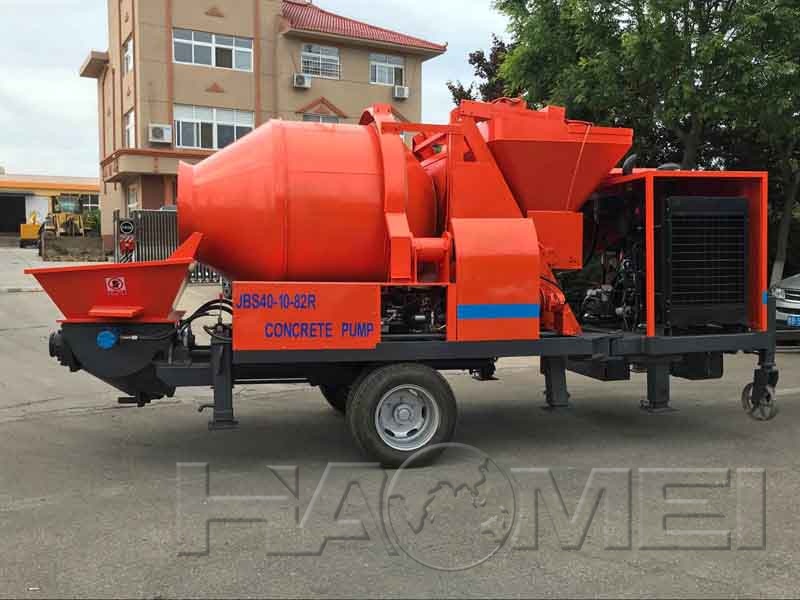
Compare Price Quotes on the Same Technical Basis
A mixer pump quote is only comparable when the machines have equivalent capacities and included equipment. A compact unit designed for small foundations is not directly comparable with a higher-output diesel machine intended for rural housing projects or long hose runs.
Ask every supplier to provide a signed specification sheet with rated mixer capacity, theoretical pumping output, maximum aggregate size, pumping pressure, engine or motor rating, delivery-line diameter, hopper capacity, dimensions, weight, and warranty terms.
| Quote item | Why it affects investment cost | What to confirm in writing |
|---|---|---|
| Pumping system | Hydraulic pump type, cylinder diameter, and pressure determine usable delivery capability. | Theoretical output, maximum pressure, valve type, and rated aggregate size. |
| Mixing system | Drum or pan configuration affects batch volume, mixing time, and wear parts. | Charging capacity, discharged capacity, mixer drive arrangement, and liner material. |
| Power source | Diesel units suit remote work; electric units may reduce site emissions and fuel handling. | Engine brand and emissions configuration, or voltage, frequency, and installed motor power. |
| Delivery package | Hoses, clamps, elbows, reducers, and pipeline supports can materially increase the delivered amount. | Hose length, diameter, pressure rating, couplings, and included accessories. |
| Transport and support | Freight, commissioning, spare parts, and technician response time are often excluded from headline figures. | Incoterms, taxes, destination charges, training, warranty, and local service location. |
Do not compare advertised factory pricing with a delivered, commissioned offer. Build a landed-cost worksheet:
Equipment + options + transport + duties/taxes + commissioning + hoses/pipeline + initial spares + operator training = project-ready cost
For a new machine, request at least three like-for-like quotations. For used equipment, add an inspection allowance and obtain maintenance records. A lower-cost used unit can become expensive quickly if concrete cylinders, hydraulic pumps, S-valves, wear plates, mixer liners, or diesel injection components need replacement.
A practical specification starting point is a Concrete Mixing Pump matched to the planned daily pour volume and actual pipeline route. Avoid sizing only from theoretical output. The usable rate depends on concrete workability, aggregate grading, hose layout, operator loading speed, cleaning time, and stoppages.
Select Capacity From the Placement Scenario
First, map the concrete route from the mixing location to the furthest placement point. Record horizontal distance, vertical lift, bends, hose diameter, access for the machine, and available power or fuel storage. Every bend, reducer, and vertical rise increases resistance and affects output.
The table below helps separate common applications.
| Site condition | Suitable equipment direction | Selection check |
|---|---|---|
| Small houses, footings, columns, narrow access | Compact mixer pump or mini configuration | Confirm gross weight, tow arrangement, hose reach, and space for aggregate and cement loading. |
| Remote projects without reliable grid power | Diesel-powered machine | Verify fuel consumption under load, engine service support, and local fuel quality requirements. |
| Urban sites with utility power and noise restrictions | Electric machine where supply is adequate | Confirm voltage, frequency, breaker capacity, cable sizing, and local noise limits. |
| Repeated low-rise structural pours | Mid-capacity mixer pump with planned pipeline | Confirm output against pour schedule and keep sufficient line-cleaning equipment on site. |
For constrained sites, a Mini Concrete Mixer with Pump can reduce transport and setup demands. It still requires a stable setup area, safe material-loading process, and enough room to route hoses without creating trip hazards or crushing points.
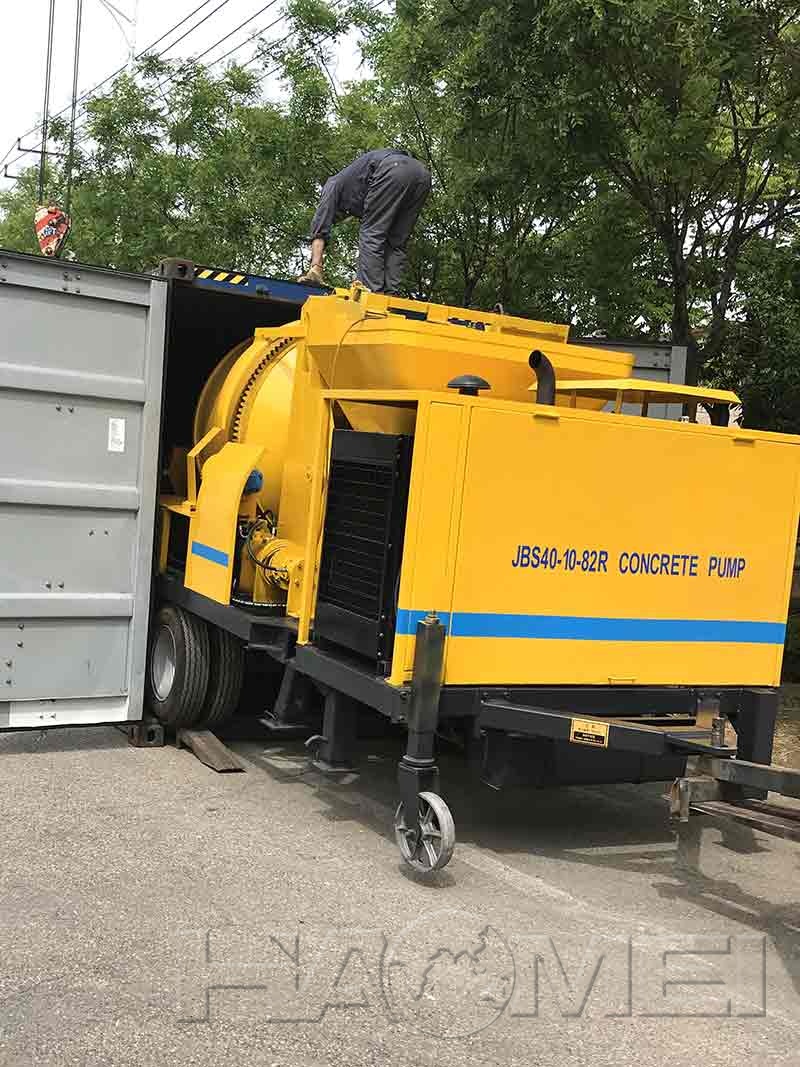
Concrete quality is part of pump selection. ASTM C94/C94M covers ready-mixed concrete requirements, while project specifications define the approved mix design. For site-batched concrete, follow the approved mix proportions and control water addition. Excess water may make concrete appear easier to pump, but it can reduce strength and increase segregation risk. Confirm that aggregate size and grading comply with the pump manufacturer's stated limits and the approved mix design.
Control Operating Cost, Downtime, and Safety Exposure
Initial purchase cost is only one part of ownership. Track the following values from the first pour:
| Cost or performance measure | How to measure it | Management action |
|---|---|---|
| Fuel or electricity per cubic meter | Record energy used and concrete placed each shift. | Compare similar pours and investigate abnormal increases. |
| Output per hour | Divide accepted placed volume by active placement time. | Identify delays from batching, hose moves, or line blockages. |
| Wear-part cost | Log cylinders, seals, plates, cutting rings, liners, and agitator parts. | Schedule replacements before failure stops a pour. |
| Cleaning time and water use | Record washout labor and water volume. | Set a controlled washout location and cleaning procedure. |
| Downtime | Record fault, duration, cause, and corrective action. | Stock fast-moving consumables and verify service response commitments. |
A simple operating-cost calculation is:
Cost per cubic meter = (fuel or power + labor + maintenance + wear parts + transport allocation + financing allocation) / accepted concrete volume placed
Use accepted placed volume rather than theoretical output. This prevents an overstated productivity figure from masking poor field performance.
Before each shift, inspect hydraulic hoses for damage or leaks, check fluid levels, verify guards and emergency stops, inspect hose couplings and safety pins, and confirm that the delivery line is restrained and supported. Never stand in front of, or over, a pressurized hose end. Depressurize the system before opening any pipeline connection or clearing a blockage.
In the United States, construction employers should evaluate applicable OSHA requirements in 29 CFR 1926, including Subpart Q for concrete and masonry construction. Local lifting, transport, emissions, electrical, and operator-competency rules may also apply. The machine manual, approved risk assessment, and site-specific method statement should control operating procedures where they are stricter.
Use this pre-purchase checklist during supplier evaluation:
- Match rated output and pressure to the longest planned delivery route.
- Obtain a full delivered-cost quote, not a factory-only figure.
- Confirm local parts stock for high-wear pumping and mixing components.
- Require commissioning, operator familiarization, and maintenance documentation.
- Check emissions, electrical supply, road-towing, and jobsite compliance requirements.
- Evaluate the supplier's response time for hydraulic, engine, and control-system faults.
- Plan washout, slurry containment, and safe disposal before the first concrete pour.
Original source: https://www.concrete-pump-cn.com/a/concrete-mixer-pump-price.html
Tags: Concrete Mixer Pump Price, Concrete Mixing Pump,
Previous: 42m VS 52m Concrete Boom Pump: Which One Is Right for Your Project
Next: