

 feedom@haomei-machinery.com

Concrete Mixer And Pump For Sale
Posted On: 19/11/2026 | Posted by: Haomei Concrete Pumps
A concrete mixer and pump for sale combines batching, mixing, and pumping functions in one mobile unit. This arrangement can reduce material transfers, shorten the time between mixing and placement, and simplify concrete delivery on sites with limited access. It is commonly selected for foundations, rural housing, small commercial slabs, utility works, and other projects requiring fresh concrete at changing locations.
Design Features That Support Reliable Concrete Placement
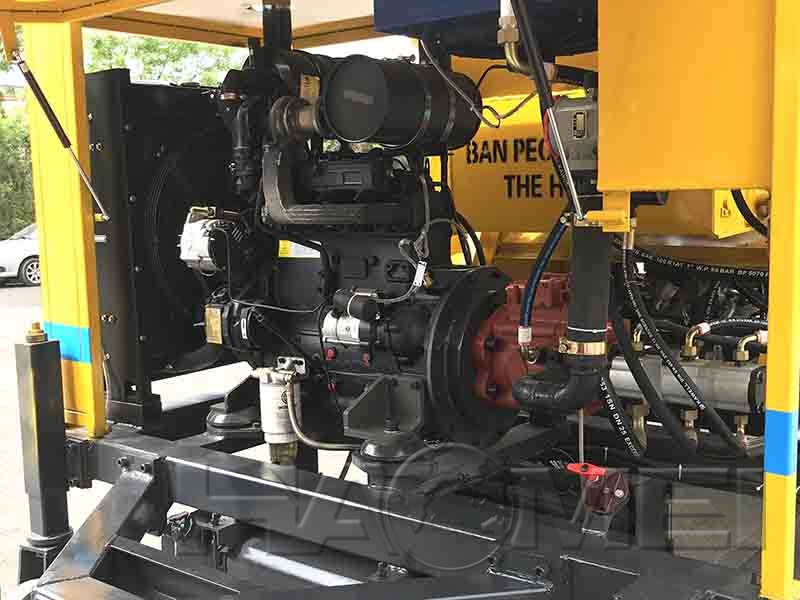
A mixer-pump unit normally includes a mixing drum or pan mixer, feeding hopper, hydraulic pumping system, concrete cylinders, S-valve or similar distribution valve, delivery pipeline, and diesel or electric power source. The mixer prepares a uniform batch, while the pumping section moves the concrete through pipelines to the placement point.
The mixing section should have a rigid drum structure, wear-resistant mixing blades, and a dependable drive system. Blade geometry matters because it affects how aggregates, cement, water, and additives circulate. Well-positioned blades help prevent unmixed pockets and reduce material buildup along the drum wall. A large hopper opening also makes loading easier when using a wheel loader or excavator.
In the pumping section, hydraulic cylinders provide the alternating motion that draws concrete into the material cylinders and pushes it into the delivery line. The pumping valve must seal reliably while allowing aggregate to pass. For this reason, manufacturers commonly use abrasion-resistant wear rings, cutting rings, and valve components in high-contact zones. Actual performance depends on the concrete mix, aggregate size, line diameter, pipeline layout, and operating conditions.
For projects needing a compact integrated arrangement, a Concrete Mixing Pump can be suitable where space is restricted and frequent relocation is expected. When evaluating capacity, compare the rated theoretical output with the expected jobsite output. Jobsite output is usually lower because of loading time, line cleaning, concrete consistency, pipeline bends, and operator workflow.
| Component | Preferred Design Detail | Practical Benefit |
|---|---|---|
| Mixing drum and blades | Reinforced structure with replaceable wear parts | Supports consistent mixing and easier maintenance |
| Hopper | Wide opening with protective grille | Improves loading efficiency and helps block oversized debris |
| Hydraulic system | Stable pump, filtered oil circuit, pressure monitoring | Provides controlled pumping and helps identify abnormal pressure |
| S-valve and wear parts | Abrasion-resistant materials and accessible service points | Handles aggregate flow and reduces downtime during replacement |
| Delivery pipeline | Correct diameter, secure clamps, minimal sharp bends | Lowers resistance and reduces blockage risk |
| Chassis | Heavy-duty frame, leveling supports, road-ready components where required | Improves stability during operation and transport |
Material Advantages and Operating Value
Material selection has a direct effect on service life. Concrete is highly abrasive, especially when mixes contain hard aggregate or are pumped over long distances. High-wear zones, including hopper liners, mixing blades, S-valve components, wear plates, and pipeline elbows, benefit from abrasion-resistant steel or purpose-designed wear alloys. Replaceable liners are particularly valuable because they allow maintenance without replacing the entire hopper or drum assembly.
Hydraulic hoses should be correctly rated for the system pressure and protected from rubbing, heat exposure, and sharp edges. Quality seals, filtration, and clean hydraulic oil are equally important. Contaminated oil can accelerate wear in pumps, valves, and cylinders, causing slow movement, excess heat, or unstable pressure.
An integrated machine offers several operational advantages:
- It mixes and pumps with one coordinated system, reducing dependence on separate machines.
- It can be moved between work areas more easily than a fixed batching and pumping setup.
- It helps maintain a shorter time between mixing and placement, which is useful when managing workability.
- It can reduce labor for internal material handling on small and medium projects.
- It supports pumping into areas that are difficult for transit mixers or wheelbarrows to reach.
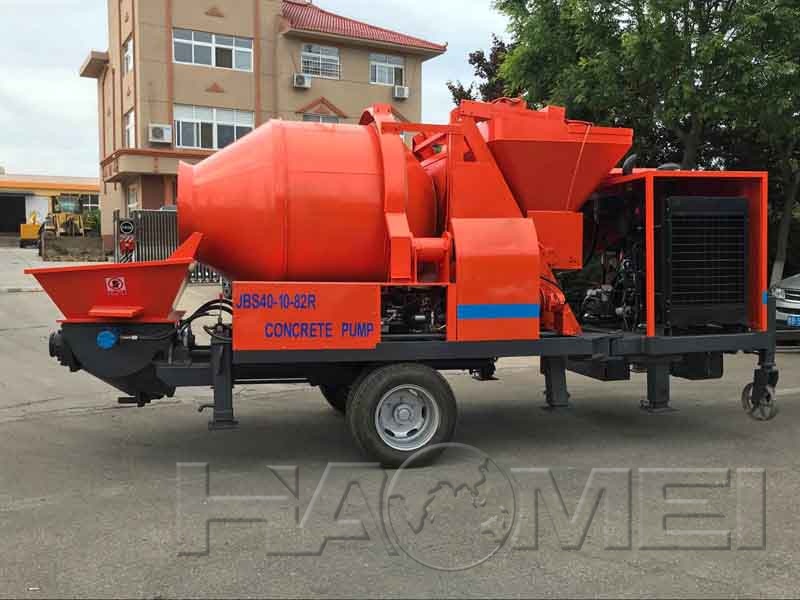
Power selection should match site conditions. Electric units are often appropriate where stable electrical supply is available and emissions or noise must be limited. Diesel-powered units are useful for remote projects without dependable grid power. A Diesel Concrete Mixer Pump for Sale may suit sites that need self-contained mobility, provided fuel storage, ventilation, and local emissions requirements are properly managed.
Before pumping, verify that the concrete mix is pumpable. The aggregate size must be compatible with the machine and pipeline, while the slump and admixture dosage should follow the mix design approved for the project. Adding water without authorization can affect strength, durability, and finish quality. Follow the equipment manual, project specifications, and applicable safety requirements.
Common Problems and Practical Troubleshooting
Most mixer-pump issues can be reduced through pre-start inspection, correct mix preparation, and routine cleaning. Operators should inspect oil levels, cooling condition, lubrication points, pipeline clamps, hoses, safety guards, and emergency-stop functions before each shift. Never open a pressurized pipeline or stand near a clamp that may fail.
| Problem | Likely Causes | Recommended Action |
|---|---|---|
| Pipeline blockage | Dry mix, oversized aggregate, long delays, poor line priming, sharp bends | Stop pumping safely, relieve pressure according to the manual, inspect the line, and adjust the mix or pipeline layout |
| Low pumping output | Hydraulic pressure loss, worn wear parts, suction restriction, excessive line resistance | Check pressure readings, oil condition, hopper flow, valve wear, and pipeline routing |
| Concrete separates in the hopper | Incorrect water content, delayed discharge, poor batching sequence | Review the approved mix, remix as needed, and avoid unauthorized water addition |
| Mixer rotates slowly or abnormally | Drive belt issue, hydraulic fault, overloaded batch, worn gearbox components | Reduce load, inspect the drive system, and have qualified personnel assess hydraulic or gearbox faults |
| Excessive hydraulic oil temperature | Dirty cooler, low oil level, restricted filter, continuous overload | Clean the cooler, inspect filters, confirm oil level, and avoid operation beyond rated conditions |
| Leakage at pipeline joints | Loose clamp, damaged gasket, worn coupling, misaligned pipe | Depressurize fully, replace damaged parts, align the pipes, and tighten clamps correctly |
After each pumping cycle, clean the hopper, material cylinders, valve area, and delivery line before residual concrete hardens. Use the cleaning method specified by the manufacturer. Keep people clear of the discharge end during pipeline cleaning because cleaning balls and residual material can be expelled with force.
A planned maintenance schedule should include lubrication, fastener checks, hydraulic filter replacement, wear-part measurement, pipeline inspection, and engine or motor service. Recording pressure changes, component replacements, and blockage events helps maintenance teams identify recurring causes before they become major failures.
Original source: https://www.concrete-pump-cn.com/a/concrete-mixer-and-pump-for-sale.html
Tags: Concrete Mixer and Pump, Concrete Mixing Pump,
Previous: Concrete Boom Pump vs. Line Pump: Which One Should You Choose
Next: