

 feedom@haomei-machinery.com

Concrete Mix And Pump
Posted On: 03/11/2026 | Posted by: Haomei Concrete Pumps
A concrete mix and pump combines concrete batching, mixing, and pumping functions in one mobile unit. It can reduce equipment transfers on small and medium construction sites, but the right model depends on aggregate size, required output, delivery distance, access conditions, and available power.
The following questions reflect the practical issues commonly raised in recent English-language equipment discussions by contractors comparing mixer pump options.
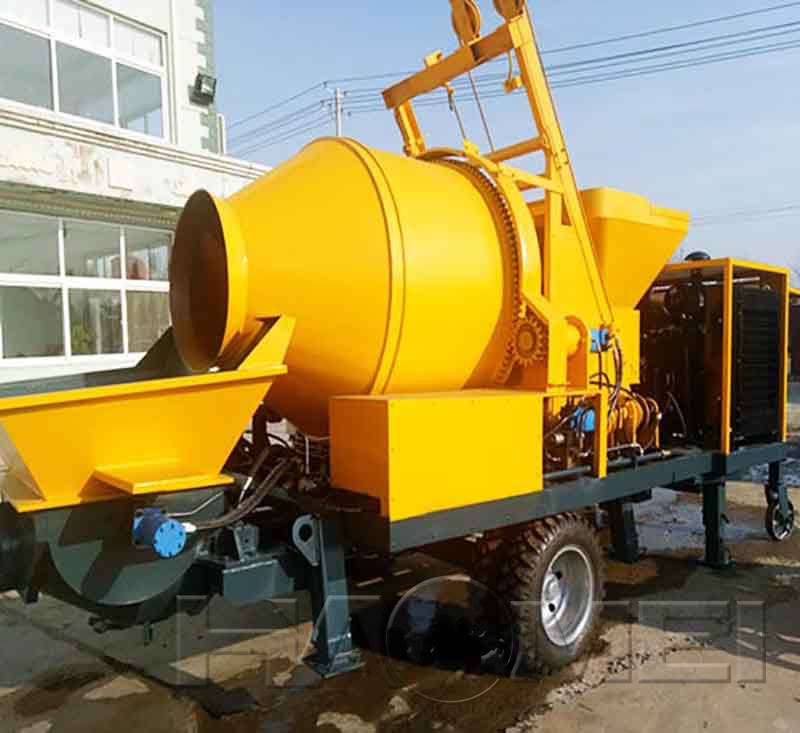
1. What Is the Difference Between a Concrete Mixer Pump and a Separate Mixer Plus Pump?
A concrete mixer pump performs two jobs from one chassis: it mixes the material and pushes it through delivery pipes. A separate setup uses an independent mixer, then transfers the finished concrete to a line pump or boom pump. The combined arrangement is often more practical where labor, site space, or concrete supply is limited.
A standalone mixer and pump arrangement may still suit high-volume projects because each machine can be sized independently. For example, a batching plant can feed a larger line pump continuously, while a mixer pump has a defined mixing cycle and hopper capacity.
| Site condition | Often suitable equipment arrangement | Reason |
|---|---|---|
| Rural housing and farm structures | Mixer pump | One machine can mix and deliver concrete on site. |
| Narrow urban access | Compact mixer pump | Easier positioning and lower equipment count. |
| Large commercial slabs | Separate mixer or batching plant plus pump | Supports continuous, high-volume supply. |
| Remote projects without reliable grid power | Diesel mixer pump | Provides independent operating power. |
For projects that need a compact all-in-one unit, a Concrete Mixing Pump can reduce the handling steps between raw materials and the placement point.
2. Can a Concrete Mix and Pump Handle Ready-Mix Concrete From a Truck?
Yes, many concrete mixer pumps can pump ready-mix concrete, but the machine should be used correctly. When ready-mix arrives, the mixer drum on the equipment is not always needed for full mixing. Instead, the concrete is discharged into the hopper and pumped through the pipeline. Operators may use the mixer function briefly to maintain consistency, depending on the machine design and the slump of the delivered material.
The important issue is not simply whether the concrete is ready-mix. It is whether the mix is pumpable. A harsh, dry mix with insufficient fines can block pipes even if it comes from a professional batching plant. Before ordering concrete, provide the supplier with the maximum aggregate size, target slump, pipe diameter, and pumping distance.
For typical small pipe systems, 20 mm aggregate is commonly easier to manage than larger stone. The required grading also matters. Well-graded sand and enough cementitious paste help form a lubricating layer inside the pipe, allowing aggregate to move more smoothly.
3. What Concrete Mix Ratio Works Best for a Concrete Pump?
There is no single mix ratio that works for every concrete mix and pump application. Pumpability depends on the relationship between cement, water, sand, coarse aggregate, admixtures, and the required strength class. A structural engineer or qualified concrete supplier should confirm the final mix design for load-bearing work.
In practical pumping work, the mix should have enough mortar content to surround the coarse aggregate. If there is too much large aggregate or too little sand, the concrete may separate, pulse heavily, or form a blockage at bends and reducers. If the mix is too wet, strength and finish quality can suffer, while segregation becomes more likely.
A workable slump is frequently specified for pumping, but the correct value varies by mix design, pipe route, weather, and placement method. Do not add uncontrolled water at the site to make concrete easier to pump. A water-reducing admixture is often a better option when additional workability is needed without weakening the design mix.
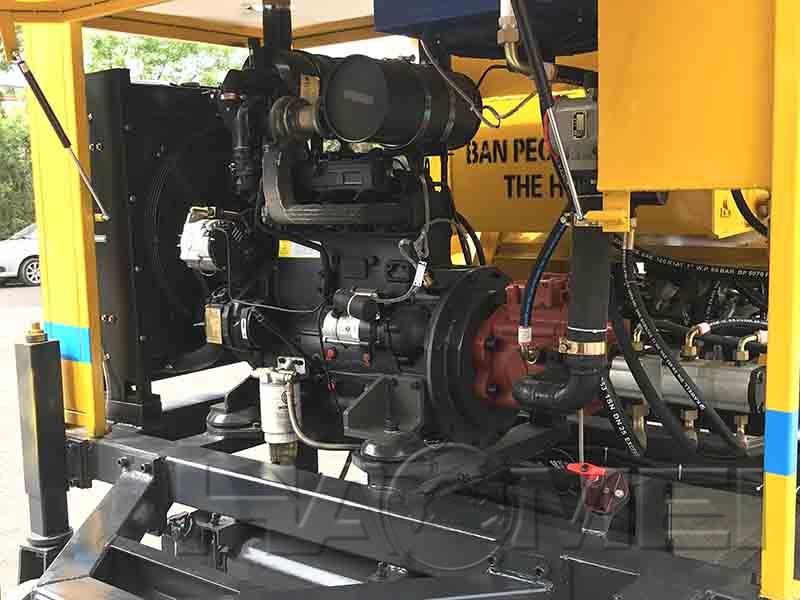
4. How Far and How High Can a Concrete Mixer Pump Deliver Concrete?
Delivery distance is determined by more than the number shown in a catalog. Horizontal distance, vertical height, pipe diameter, bends, hose length, aggregate grading, and concrete consistency all affect pumping pressure. A machine that can move concrete a long distance on level ground will have a lower practical range when pumping upward through multiple elbows.
When comparing units, ask for both theoretical output and recommended delivery performance under normal operating conditions. Theoretical output is calculated under ideal cycles, while real output includes loading time, mixing time, pipe preparation, truck movement, and pauses during placement.
| Requirement to check | Why it matters |
|---|---|
| Horizontal delivery distance | Determines pipeline length and friction loss. |
| Vertical delivery height | Requires additional pressure and reduces practical range. |
| Pipe diameter | Larger pipe can lower resistance but needs compatible fittings. |
| Number of bends | Each bend adds resistance and raises blockage risk. |
| Maximum aggregate size | Must match the pump system and pipeline specification. |
For small foundations, columns, retaining walls, and residential slabs, a Mini Concrete Mixer with Pump may offer sufficient reach while taking less room on site than a larger trailer unit.
5. Should I Choose a Diesel or Electric Concrete Mix and Pump?
The best power source depends on the project environment rather than a universal preference. Diesel units are valuable on remote work sites, road projects, agricultural developments, and locations with unstable electrical supply. They are mobile and self-contained, but fuel use, engine maintenance, ventilation, and noise should be included in operating planning.
Electric models can be attractive where stable three-phase power is available. They generally avoid engine exhaust at the machine, may operate more quietly, and can simplify use inside industrial yards or enclosed areas with proper site approval. However, the electrical supply must match the motor rating and starting load. An undersized generator or weak site connection can cause voltage drop, overheating, or interrupted pumping.
Before selecting either version, calculate the daily pour volume, average transport distance, local fuel or electricity cost, expected operating hours, and technician availability. Also consider cleaning time. After every pour, the hopper, mixing drum, pipes, and delivery hose must be cleaned promptly. Skipping this routine can turn hardened concrete into costly downtime and component replacement.
A properly matched concrete mix and pump is not only about maximum output. Reliable material flow, accessible maintenance points, available spare parts, and a realistic match between machine capacity and daily placement volume are equally important.
Original source: https://www.concrete-pump-cn.com/a/concrete-mix-and-pump.html
Tags: concrete mix and pump, concrete mixing pump, concrete mixer pump, concrete pump capacity, concrete mix design,
Previous: Concrete Mixer and Pump Truck
Next: