

 feedom@haomei-machinery.com
Boom Pump Truck
Posted On: 12/05/2026 | Posted by: Haomei Concrete Pumps
New equipment teams are asking sharper boom pump truck questions than before. In recent English-language Q&A discussions on Google, Quora-style forums, and contractor communities, the hottest concerns are not only price. People want to know which boom length earns money fastest, whether a 42m or 52m machine is easier to own, how setup space affects jobs, and what maintenance costs look like after delivery.
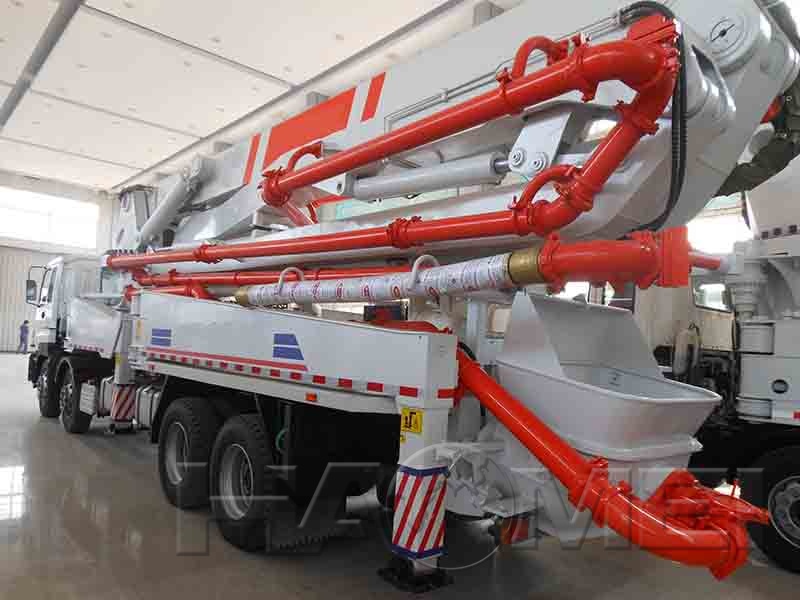
1. What size boom pump truck should I buy first, 37m, 42m, 47m, or 52m?
For a first machine, the best size is usually the one that fits the jobs you can win every week, not the longest boom you can finance. A 37m to 42m boom pump truck is often easier to place on residential slabs, small commercial pads, warehouse aprons, and urban jobs with tighter streets. It also tends to have lower weight, simpler access, and less fuel use.
A 47m to 52m unit becomes attractive when your local market has mid-rise floors, large foundations, bridge decks, wide industrial floors, or sites where the pump cannot park near the pour. If your sales pipeline includes larger contractors, longer reach may help you quote work that smaller pumps cannot handle.
| Boom range | Typical fit | Ownership note |
|---|---|---|
| 30m to 37m | Housing, small slabs, narrow streets | Lower entry cost and easier parking |
| 38m to 42m | Mixed residential and commercial | Balanced reach and daily usability |
| 45m to 47m | Larger slabs, schools, warehouses | Higher output potential, more setup planning |
| 52m and above | Large commercial, bridges, industrial jobs | Strong reach, higher transport and maintenance demands |
If you want a practical mid-range starting point, a 42m Concrete Pump Truck often gives enough reach for mixed work while staying manageable for operators who are still building experience.
2. How much does a boom pump truck really cost beyond the purchase price?
The visible price is only one part of the investment. New purchasers are often surprised by the cost of registration, insurance, delivery, spare parts, pipe wear, operator training, boom inspections, and hydraulic service. A machine that looks cheaper at signing can become expensive if parts are hard to source or if the boom structure has limited service support.
For planning, separate your budget into three parts: acquisition, startup, and operating reserve. Acquisition includes the chassis and pump system. Startup includes plates, permits, insurance, washout equipment, extra pipes, elbows, clamps, remote controls, hoses, safety items, and operator training. Operating reserve covers wear parts, scheduled service, tires, hydraulic oil, unexpected electrical faults, and downtime.
| Cost area | Why it matters before purchase |
|---|---|
| Wear parts | Delivery cylinders, wear plates, cutting rings, and pipe sections wear with abrasive mixes |
| Hydraulic system | Poor oil care can damage pumps, valves, seals, and cylinders |
| Boom inspection | Required for safety and resale confidence |
| Chassis service | Engine, brakes, tires, and emissions systems affect uptime |
| Operator skill | Mistakes can cause blockages, tip-over risk, or premature boom stress |
For larger machines, review the full ownership picture rather than asking only for a factory quote. A page such as 52 meter Concrete Pump Truck Cost can help frame the conversation around reach, configuration, and long-term expense.
3. Is a new boom pump truck better than a used one for a first fleet unit?
This question appears frequently because used equipment can look attractive when monthly cash flow is tight. A used boom pump truck may be reasonable if it has verified service records, a clean boom inspection history, low wear on the pumping system, and available local parts. However, first-time owners often underestimate inspection risk. Hidden cracks, tired cylinders, worn S-valves, old wiring, and neglected hydraulic oil can turn a bargain into a stalled asset.
A new truck gives predictable warranty coverage, updated controls, cleaner emissions compliance, and a known starting point for maintenance records. It can also be easier to train operators on one current system instead of learning older controls and undocumented repairs. If your business plan depends on winning repeat jobs quickly, uptime may be more valuable than the upfront saving.
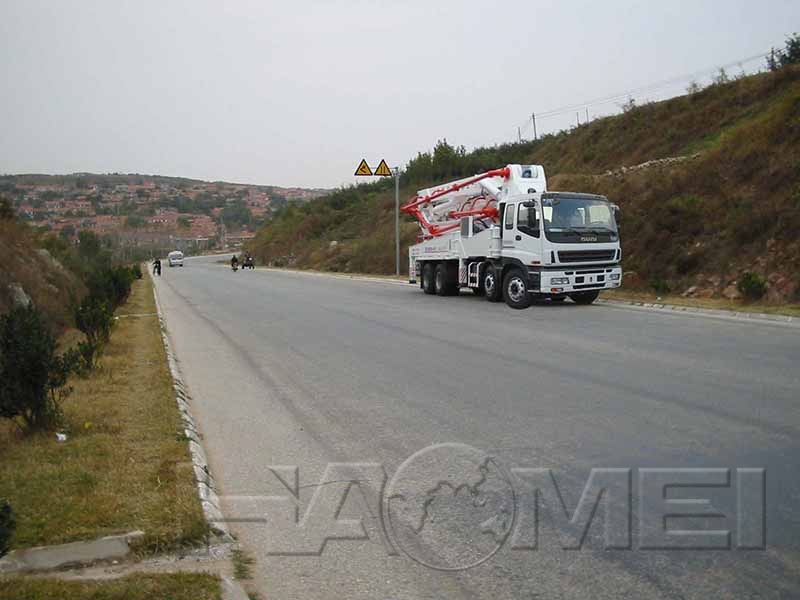
A practical way to compare new and used is to estimate earning days lost. If a used machine saves money at purchase but loses 10 to 20 working days due to repairs, the saving can shrink fast. For a first unit, many teams choose new when they do not already have in-house mechanics, welding support, diagnostic tools, or spare pump components.
4. What should I check in boom pump truck specifications before ordering?
The most repeated spec questions are about boom length, output, vertical reach, horizontal reach, outrigger span, pipe diameter, hopper capacity, and concrete pressure. These numbers matter, but they must be checked together. A long boom with unsuitable outrigger width may be hard to use on crowded city projects. High theoretical output is less valuable if your local batching plants, crew size, or hose setup cannot keep up.
Pay close attention to the outrigger layout. X-type, H-type, and one-sided support functions affect where the truck can safely deploy. If your jobs include narrow roads, property boundaries, or traffic lanes, partial support capability and stability control deserve careful review.
Also ask about the pumping cylinder diameter and stroke. These affect delivery pressure, output rhythm, and wear. For harsh mixes, long horizontal runs, or high-rise work, stronger pumping pressure and durable wear parts matter more than headline output.
| Specification | What to ask the supplier |
|---|---|
| Vertical and horizontal reach | Can it cover your normal job radius without risky repositioning? |
| Outrigger spread | Does it fit local streets, yards, and job entrances? |
| Pumping pressure | Is it suitable for your concrete mix and hose length? |
| Control system | Are remote diagnostics, proportional control, and safety alarms included? |
| Parts availability | Are wear plates, seals, elbows, pipes, and sensors stocked nearby? |
5. How much space does a boom pump truck need on site, and why does setup affect profit?
Site setup is one of the most underestimated profit factors. A boom pump truck must have firm ground, enough outrigger room, safe distance from power lines, and a clear boom movement area. If the truck arrives and cannot deploy, you may lose the pour, pay standby costs, and damage your reputation with contractors.
Before quoting a job, confirm entrance width, ground bearing condition, overhead hazards, washout area, traffic control needs, and the distance from pump position to pour point. Ask for photos or a site sketch when possible. For commercial work, review slab edges, trenches, basements, soft shoulders, and underground utilities.
A longer boom can reduce hose dragging and labor, but it can also require a larger safety envelope. A smaller pump may set up faster in tight residential areas. This is why experienced owners do not treat reach as the only measure of value. They match boom length to real jobsite access.
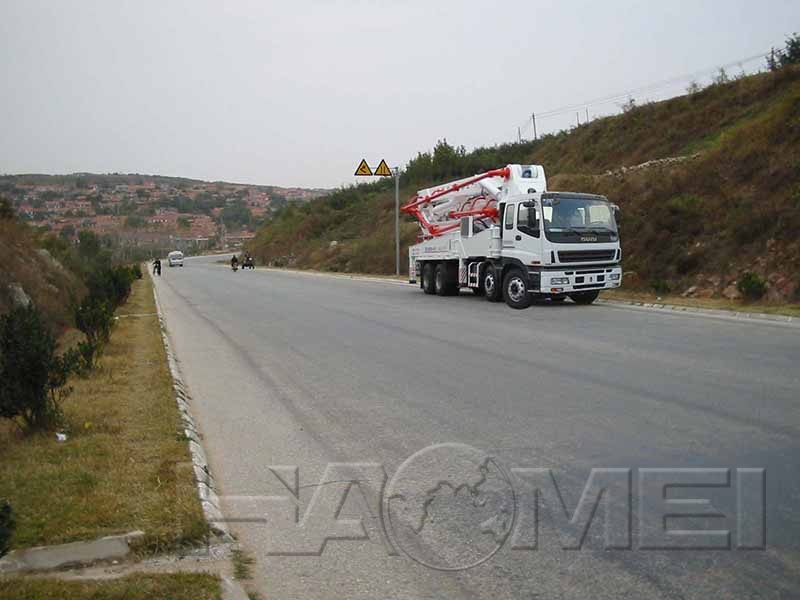
Operator training should include setup discipline, not only pumping technique. The crew must understand outrigger pads, slope limits, emergency stop functions, boom unfolding sequence, and safe communication with the placing team. A well-selected boom pump truck earns through reliable pours, safe deployment, and steady scheduling, not just through impressive reach numbers.
Original source: https://www.concrete-pump-cn.com/a/boom-pump-truck.html
Tags: Boom Pump Truck, Concrete Boom Pump Truck, Concrete Pump Truck Cost, Boom Pump Size,
Previous: Boom Pressure Concrete Pump
Next: Concrete Line Pump for Sale